
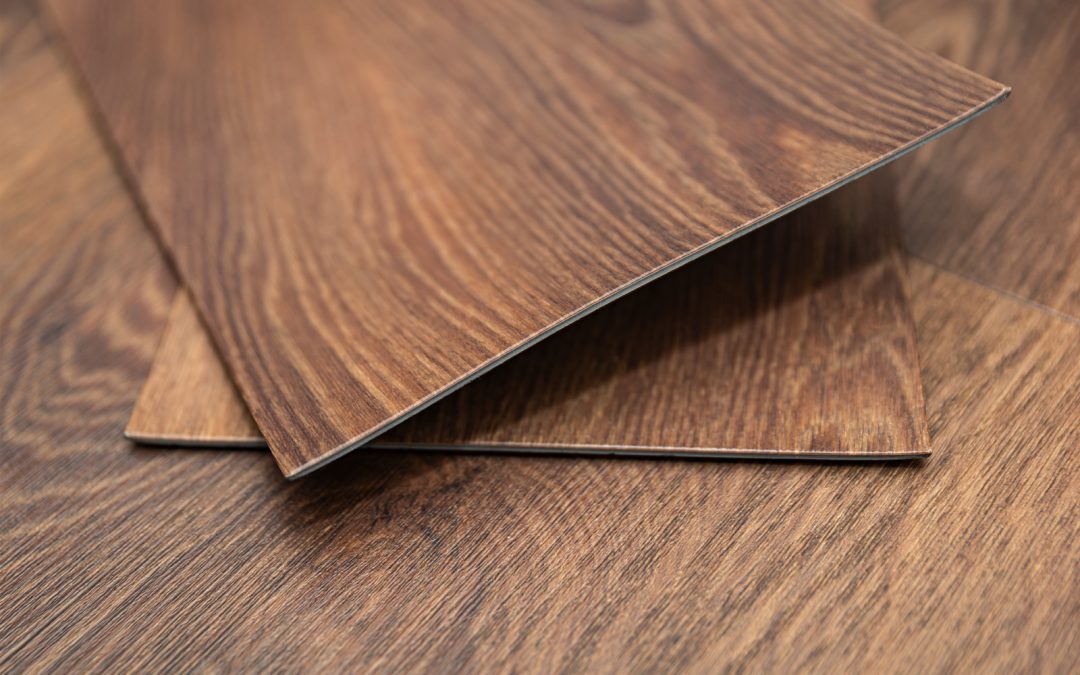
Flooring plays an important role in both kitchen and bathroom remodeling. These spaces experience daily foot traffic, moisture, spills, and frequent cleaning, so the right flooring needs to work well with the demands of the room while complementing its overall design.
Consider Moisture and Daily Use
Bathrooms are exposed to water and humidity regularly, while kitchens can experience spills and frequent cleaning. When choosing kitchen and bathroom flooring, consider how much moisture the material can handle and how it will perform with everyday use.
Tile and vinyl are popular options for areas where moisture is a concern. The best choice will depend on the specific space, your preferences, and the overall remodeling plan.
Think About Durability and Maintenance
A beautiful floor also needs to be practical. Consider how much traffic the room receives and how much maintenance you’re comfortable doing.
Kitchen floors may need to withstand dropped items, food spills, and frequent movement, while bathroom floors should be easy to clean and suitable for a moisture-prone environment. Comparing materials based on durability, cleaning requirements, and long-term use can help narrow down your options.
Match the Flooring to Your Design
Flooring can influence the appearance of an entire room. Consider your cabinets, countertops, fixtures, wall colors, and other finishes before selecting a material.
For example, a neutral floor can complement bold cabinetry, while a distinctive tile pattern can become a design feature in an otherwise simple space.
Consider Your Entire Remodeling Plan
If you’re remodeling a kitchen or bathroom, flooring should be considered alongside the other elements of the project. Coordinating flooring with cabinets, countertops, fixtures, and accessories can create a more cohesive result.
Premium Kitchen & Bath offers flooring options including hardwood, tile, vinyl, and laminate, along with kitchen and bathroom remodeling services to help homeowners create functional, updated spaces.